
The question of whether care for elders is better provided at home or within a dedicated senior living community is one that most Kolkata families approach emotionally first and practically second — and the gap between those two starting points is where many decisions go wrong. This guide provides the practical framework that should inform this decision: what each option genuinely provides, where each one reaches its limits, and what the research on elder health outcomes consistently shows about the comparative benefits of residential senior care done well.
Most families in Kolkata approach the question of elder living arrangements with a strong prior: the family home is where a parent belongs, and any alternative feels like a diminishment of that relationship. That prior is understandable—and it reflects something genuine about family culture in Kolkata, West Bengal. But it can also prevent families from making the choice that would actually serve their parent best. The reality of care for elders in a well-run senior living community today is not the diminished, institutional experience many families still picture. It is professional, warm, socially rich, and — for parents whose needs have grown beyond what home arrangements can reliably meet — often genuinely better for the elder’s health, happiness, and sense of daily purpose.
This guide examines both options with the honesty the decision deserves — and provides the framework families need to make a comparison they can stand behind.
The Real Problems Faced by Old People in Unsupported Home Environments
Any honest comparison of these two options should start with a clear account of the problems faced by old people in home environments that are not adequately designed or supported — because these are the problems that a good senior living community directly and reliably addresses.
Isolation is the most documented risk. Research across multiple studies consistently links prolonged social isolation in older adults with accelerated cognitive decline, depression, and reduced life expectancy. The social world of an elder living at home typically contracts over time — as mobility reduces, as peers become less available, and as family visits, however loving, cannot substitute for the daily peer connection that seniors’ assisted living communities provide as a matter of their structure.
Nutritional decline is another. Cooking for one becomes progressively harder as energy and mobility decrease. The geriatric diet chart appropriate for an older adult’s specific health needs — adequate protein for muscle retention, calcium and vitamin D for bone health, and appropriate caloric density — is rarely maintained when an elder is managing meals alone. The deterioration is gradual and often not noticed until its effects are already significant. And physical safety compounds both: homes not designed for older bodies create hazards that accumulate invisibly until a fall reveals how serious they have become.
What Good Care for Elders in a Senior Living Community Looks Like in Practice
The top 10 old age home options in Kolkata that consistently receive the highest regard from families share a small number of specific characteristics — and those characteristics are worth using as the benchmark against which both home care and residential assisted living options are measured.
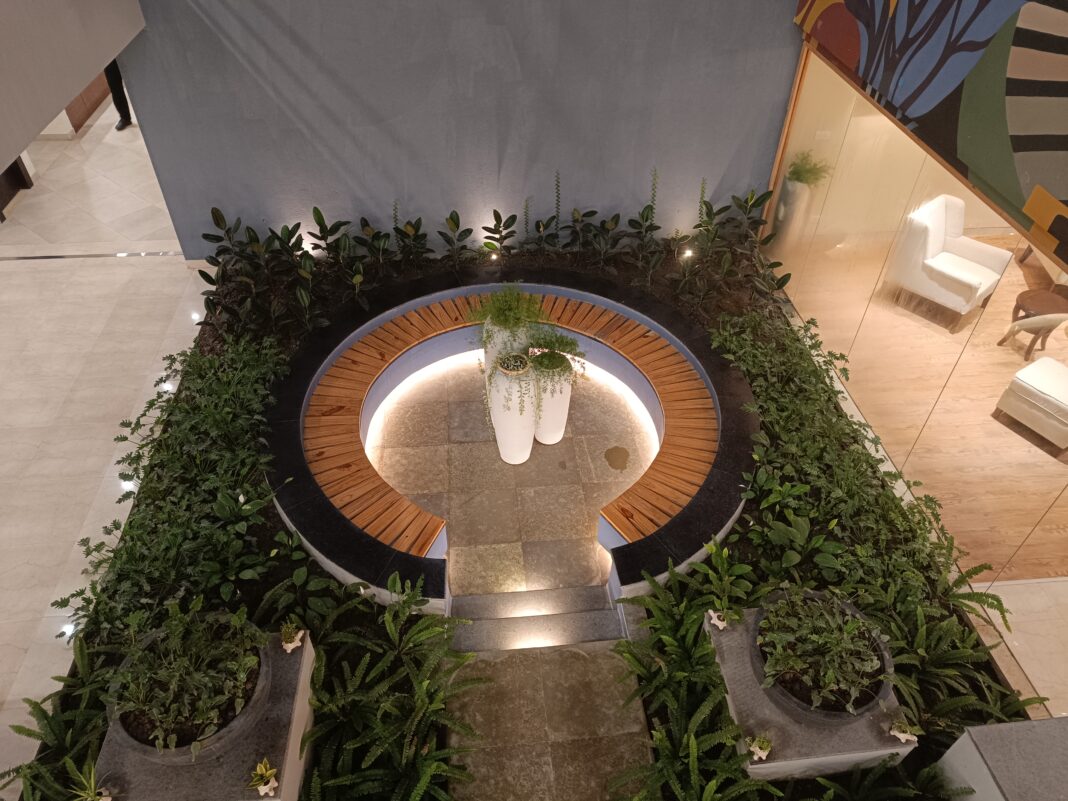
Geriatric-trained care staff who work from personalised care plans, reviewed at regular intervals and updated as needs change. A physical environment purpose-designed for older adults — accessible throughout, free of the hazards that family homes accumulate, and, in the best cases, independently certified for environmental health quality. A structured daily programme of wellness, cultural, and social activities that gives residents purpose and connection as a built-in feature of their daily life, rather than as something families have to arrange separately. And meals freshly prepared around each resident’s specific health and dietary needs — by professionals who understand what good nutrition for older adults actually requires.
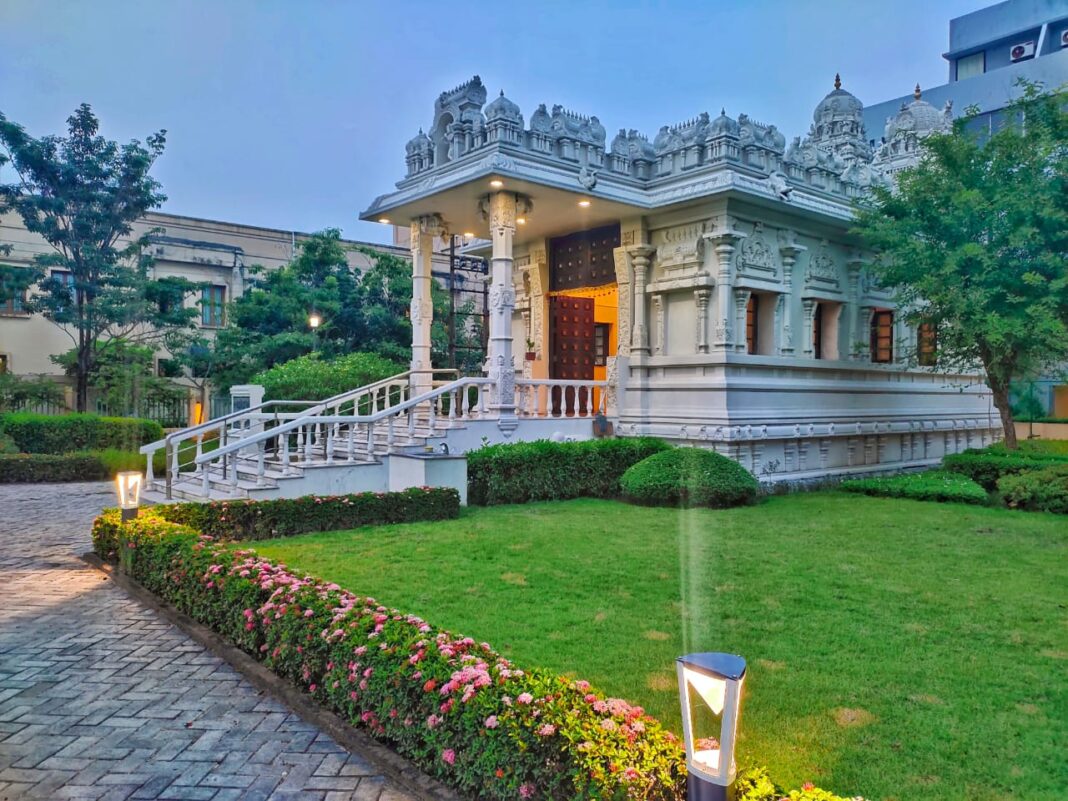
Jagriti Dham near Joka, Amtala, provides all of these within Eastern India’s only IGBC-certified silver-rated senior living facility, where the indoor environment itself has been independently verified for air quality, natural light, and material safety.
What Any Article About Old Age Homes Gets Right — and What Most Miss
Most articles about old age homes focus on the practical dimensions: care quality, safety, cost, and location. These are the right to cover – they are the factors families most need to understand before making a decision. What most such articles miss is the social and psychological dimension: the effect of community life itself on elder health and wellbeing.
The best senior housing independent living, and residential assisted living communities are not simply better-run versions of home care — they are qualitatively different environments that produce different health outcomes. Elders who are socially engaged, who have a genuine peer group, who participate in daily structured activity, and who live within a community of people who understand the particular texture of later life experience measurably slower cognitive and physical decline than those who are housed — however safely and lovingly — without that social dimension.
Luxury senior retirement communities at a genuine standard build this social dimension into the architecture of daily life – not as an extra but as a care priority. And that is the dimension that most changes the comparison when families make it honestly.
Senior Communities as a Choice, Not a Last Resort: How the Decision Looks Different
For families who approach this decision as a choice rather than a concession, the comparison between home care and senior communities looks different from the outset. They are not asking, ‘Do we have to do this?’ — they are asking ‘Which arrangement gives my parent the best quality of later life?’
That question, asked clearly, produces a more honest comparison. Senior communities for elders who choose them — who visit, who participate in selecting the community, and who move in as an active decision rather than a reluctant one — settle faster, engage more actively with the community around them, and report higher satisfaction over time than those who arrive because a health crisis left no other option.
The best time to make this comparison is before it is urgent. The families who do that consistently make better choices — and their parents consistently have better experiences in the years that follow.
The Best Care for Elders Comes From the Right Environment
Care for elders is not simply about safety and supervision — it is about the conditions under which an elder can continue to live a purposeful, connected, and genuinely good life. Senior living communities that take this seriously deliver something that home care cannot replicate: a comprehensive environment where every dimension of elder wellbeing is addressed professionally, consistently, and at the standard that older adults deserve.
Jagriti Dham near Joka, Amtala, is an environment in Kolkata. The visit is where the comparison ends, and the decision begins.
Frequently Asked Questions
Q1. What does a good geriatric diet chart look like at a senior living community?
A well-designed geriatric diet plan at a quality senior living community addresses the specific nutritional needs of older adults – not simply a balanced general menu. It accounts for age-specific requirements: adequate protein to support muscle retention, calcium and vitamin D for bone health, fibre for digestive function, and micronutrient support for immune health. Caloric density is adjusted appropriately for reduced activity levels, and texture modifications are provided for residents with swallowing difficulties. Cultural, religious, and personal dietary preferences are accommodated as standard. At a genuine quality facility, a qualified nutritional professional oversees the meal programme — not simply a kitchen producing institutional food. Ask any senior community you are considering who holds responsibility for nutritional oversight and what professional qualifications they bring to that role.
Q2. How does residential assisted living at Jagriti Dham near Joka compare to home-based care?
The comparison is most honest when measured dimension by dimension.
- Care quality: Jagriti Dham provides geriatric-trained staff working from personalised care plans, which home-based general nursing cannot match.
- Environmental quality: the IGBC silver-rated certification held by Jagriti Dham means the building has been independently verified for air quality, light, and material safety – a standard no family home meets by definition.
- Social quality: the active daily programme and genuine peer community at Jagriti Dham provide a level of social engagement that visiting carers and family contact cannot replicate at the frequency and depth needed to counter elder isolation.
- Nutritional quality: freshly prepared, individually adapted meals replace the pattern of declining nutrition that characterises unsupported home living.
Measured across all four, the residential assisted living option at Jagriti Dham near Joka, Amtala, consistently outperforms what home arrangements can sustainably provide.
Thinking about Jagriti Dham near Joka, Amtala, for your family?
Book a visit. Walk the community, meet our care team and residents, and experience first-hand what care for elders looks like when it is designed and delivered with genuine thought.
About Jagriti Dham
This guide was curated by the Jagriti Dham team (www.jagritidham.com). Jagriti Dham is Kolkata’s most luxurious senior citizen home and Eastern India’s first Indian Green Building Council-certified green senior living facility, situated near Joka, Amtala in South Kolkata. Envisioned as a centre of excellence, it promotes the concept of active ageing and aims to build an age-integrated society – where elders can live independently while receiving the best possible care. Unlike other old age homes, Jagriti Dham’s vision extends beyond the walls, giving elders a hassle-free life in a peaceful, like-minded community.
Follow us: Facebook | YouTube | Google My Business | LinkedIn | Instagram