
what happened in 1823 in american history
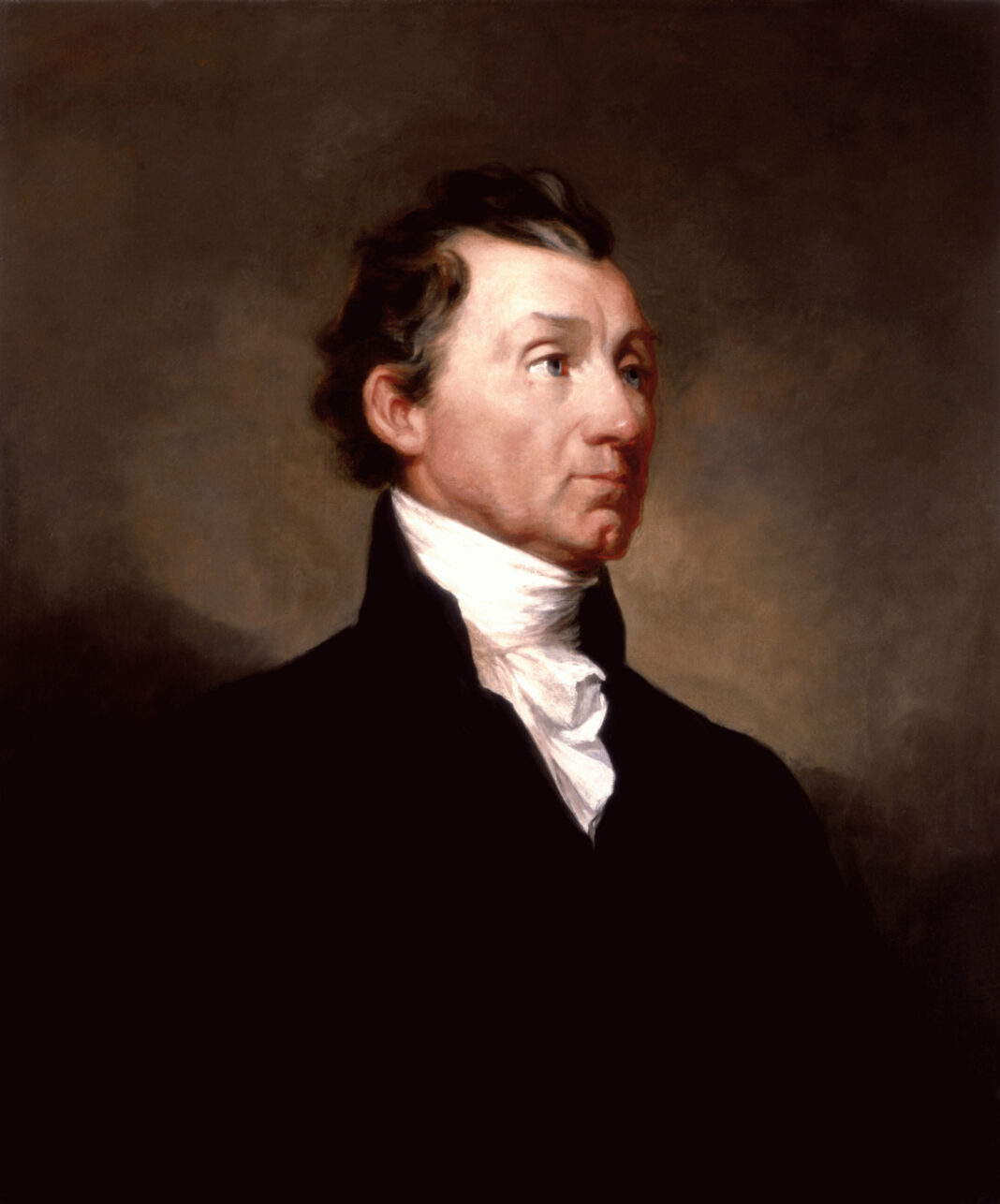
With major political, social, and cultural advancements, 1823 was a pivotal year in American history. The declaration of the Monroe Doctrine, a significant foreign policy declaration that altered the United States’ strategy for dealing with other countries, was one of the year’s most noteworthy occasions. The Monroe Doctrine, which was announced by President James Monroe on December 2, 1823, cautioned European nations against encroaching on or meddling in the Americas. It marked the United States’ expanding presence on the international scene and cemented the Western Hemisphere as a region of influence.
Along with the Monroe Doctrine, the United States continued to prosper and expand in 1823. The “Era of Good Feelings,” which followed the War of 1812 and was characterized by political unity and economic expansion, was in full swing in the nation. There were internal conflicts within the Democratic-Republican Party, which had controlled politics, and prominent individuals such as Andrew Jackson and John Quincy Adams were rising to prominence. American nationalism also increased this year as the nation attempted to establish its identity and gain independence from European countries.
The establishment of The American Anti-Slavery Society, a pivotal group in the abolitionist struggle, was another significant occasion in 1823. The association was established by William Lloyd Garrison and other well-known abolitionists with the goals of promoting equal rights and the prompt freedom of African Americans who were slaves. The formation of the organization signaled the start of a larger, more coordinated anti-slavery campaign that would be crucial to American history in the ensuing decades.
As settlers continued to advance into new areas, 1823 was also a year of ongoing westward expansion. Rapid infrastructure development, such as the construction of roads, canals, and trade routes, enabled the country’s rise. The eventual establishment of new states and the ongoing exploration of the vast territories to the west were made possible during this time. However, the expansion had a price: Native American tribes whose territories were being encroached upon experienced more suffering and displacement as a result.
In summary, 1823 marked a number of significant turning points for the US, especially in the fields of national expansion, the struggle against slavery, and foreign affairs. The establishment of the American Anti-Slavery Society brought attention to the expanding social change movement, while the Monroe Doctrine was a turning point in American diplomacy. Many of the difficulties and changes that would influence the future of American history were paved the way for by these occurrences.