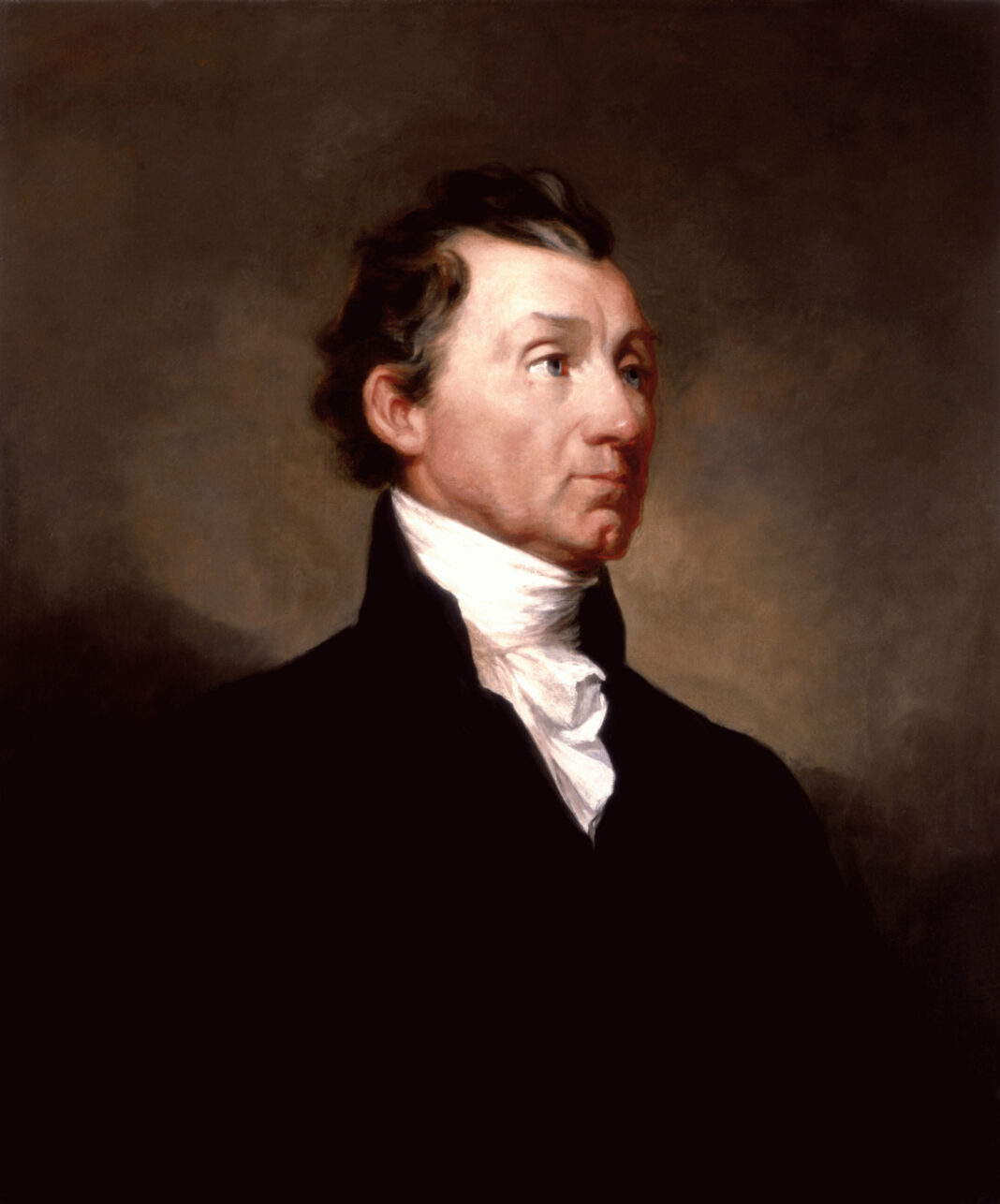

Defining American Foreign Policy: The Monroe Doctrine
President James Monroe’s announcement of the **Monroe Doctrine** on December 2, 1823, was a turning point in American foreign policy history. It was a declaration of the United States’ position on European participation in the Americas, stating that the United States would oppose any attempt by European nations to colonize or meddle in the Western Hemisphere because it would be viewed as an act of aggression. Although Monroe’s speech was given at his yearly address to Congress, it had a profound impact outside of the Capitol and remained a pillar of American foreign policy for almost a century.
The complicated political climate of the early 19th century, when newly independent Latin American countries were attempting to establish themselves following their liberation from European colonial authority, gave rise to the ideology. Many European nations at the period, especially Russia and Spain, wanted to increase their influence or retake lost lands in the Americas. By portraying the Americas as a territory in which the United States had substantial interests and power, the Monroe Doctrine successfully cautioned these countries to avoid entering the Western Hemisphere.
The Monroe Doctrine was significant because it challenged European colonial ambitions and asserted American authority, even though it lacked direct enforcement capacity. The goal of Monroe’s administration was to stop Europeans from colonizing the Americas any further and from meddling in the recently established Latin American nations. The doctrine, which established a policy of neutrality in the Old World, also stressed that the US would not get involved in political or military conflicts in Europe. This Monroe Doctrine feature, which marked a change toward concentrating on the Western Hemisphere and establishing American influence there, contributed to the long-term definition of U.S. foreign policy.
The Monroe Doctrine was used by several U.S. presidents in the years after it was announced to defend intervention in the Americas, especially as European powers attempted to subvert the sovereignty of sovereign Latin American countries. Throughout the 19th century and beyond, the ideology significantly influenced U.S. foreign policy and contributed to the nation’s ascent to prominence in the world economy. It was developed throughout time, particularly during the early 20th century Roosevelt Corollary, which supported US engagement in Latin America to bring stability to the region.
To sum up, the Monroe Doctrine was a revolutionary proclamation that established American policy in the Western Hemisphere. Monroe aimed to preserve the independence of emerging countries in Latin America and guarantee that the United States played a key role in determining the destiny of the area by claiming that European countries should not meddle in the Americas. Although the doctrine’s meaning and implementation changed over time, it is still regarded as one of the most significant foreign policy declarations in American history and has shaped the country’s relations with the rest of the world for several generations.